
Residency Diabetes Subtrack Program
Need more info? Read on below to learn about how the Diabetes Subtrack program can work for your organization.

For Family Medicine, Internal Medicine, and Pharmacy Residency Programs
Diabetes Subtrack: Program Overview and Requirements
The Diabetes Subtrack is a structured educational pathway embedded within Family Medicine, Internal Medicine and Pharmacy residency programs. It is designed to give residents advanced, hands-on training in diabetes management — preparing them to deliver evidence-based, comprehensive care across the full spectrum of patients seen in primary care.


Purpose of the Diabetes Subtrack
To graduate family medicine, internal medicine, and pharmacy residents who have advanced competency in diabetes prevention, diagnosis, and management. That means equipping them with the clinical skills to provide comprehensive care, address the social determinants of health, and — for those who choose to pursue it — prepare for board certification in advanced diabetes management (BC-ADM).
Program Requirements
Length: 24 months (PGY-2 and PGY-3)
Direct Patient Care Hours: Residents must complete a minimum of 500 hours of direct diabetes management and related clinical experiences across all three years of residency (PGY-1 through PGY-3), with the majority occurring during PGY-2 and PGY-3. Qualifying experiences include:
- Elective rotations
- Inpatient diabetes management
- Continuity medicine clinic
- Other longitudinal or episodic diabetes care encounters
Dedicated diabetes-focused clinic time within the resident’s continuity medicine clinic schedule is strongly encouraged as well as integration of interdisciplinary care experiences whenever possible.
Structured Didactics: Residents must have protected time for diabetes-focused didactic learning, separate from the standard residency curriculum. A minimum of 20 hours of diabetes-specific didactics is recommended over the course of the Subtrack.
Scholarly Activity: All Subtrack residents are encouraged to complete at least one diabetes or metabolic care-related scholarly activity or quality improvement project. Qualifying activities include, but are not limited to:
- Grand rounds, podium, or workshop presentations
- Posters or quality improvement projects
- Publications, book chapters, or webinars
- Grant leadership
- Service on professional committees, journal editorial boards, or as a journal reviewer
Curriculum Structure
Clinical Experiences
Residency programs implementing a Diabetes Subtrack should provide residents with exposure to at least 3 of the following clinical settings, based on local preceptor availability:
- Family Medicine Continuity Diabetes Clinic
- Diabetes Self-Management Education (DSME) & Medical Nutrition Therapy (MNT)
- Endocrinology / Diabetology Clinic
- Inpatient Diabetes Management
- Wound Clinic
- Center for Weight Management / Metabolic Institute / Non-Surgical Bariatric Clinic
- Lipid Clinic
- Diabetes Care Management
- Diabetes Shared Medical Visits
- Obstetric Diabetes Care
- Podiatry
- Ophthalmology / Retina Specialty Clinic
- Physical Therapy
- Diabetes Camp
Didactics
Programs should build structured didactic sessions around core diabetes management topics. Recommended content areas include:
- Pathophysiology and classification of diabetes
- Atypical forms of diabetes
- Screening, diagnosis, monitoring, and preventive care
- Management of prediabetes
- Outpatient and inpatient diabetes management (oral agents, insulin, special populations)
- Diabetes in special populations (pregnancy, older adults, pediatrics, patients with disabilities)
- Glycemic emergencies (DKA, HHS, severe hypoglycemia)
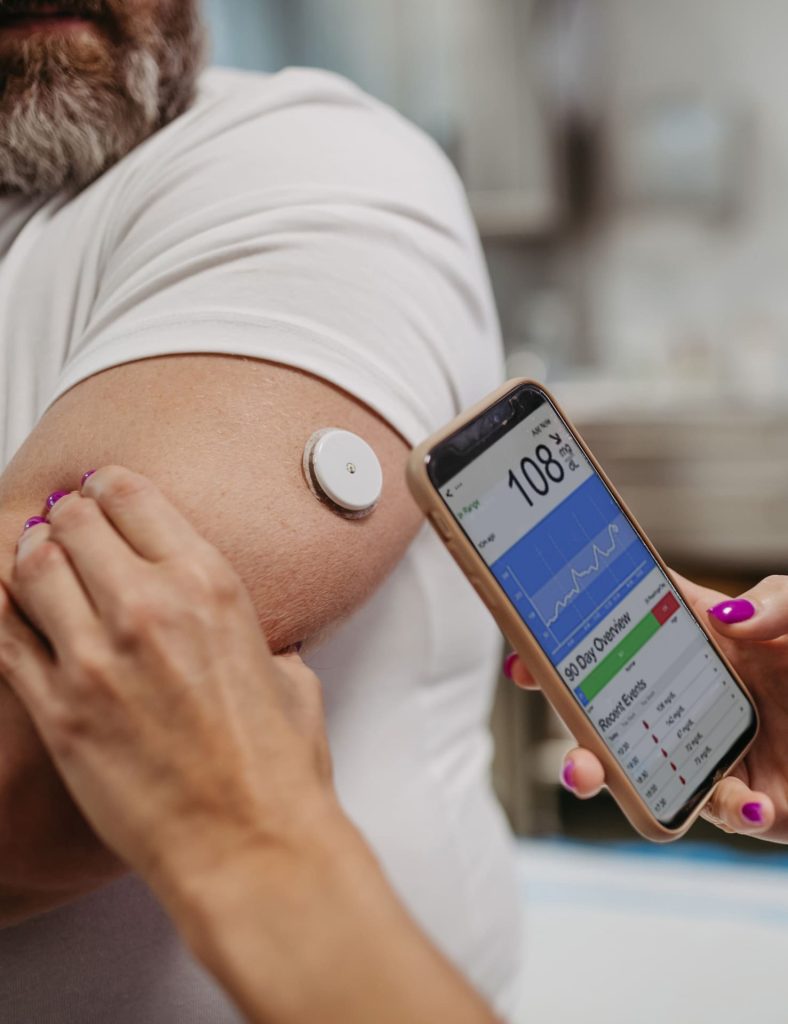
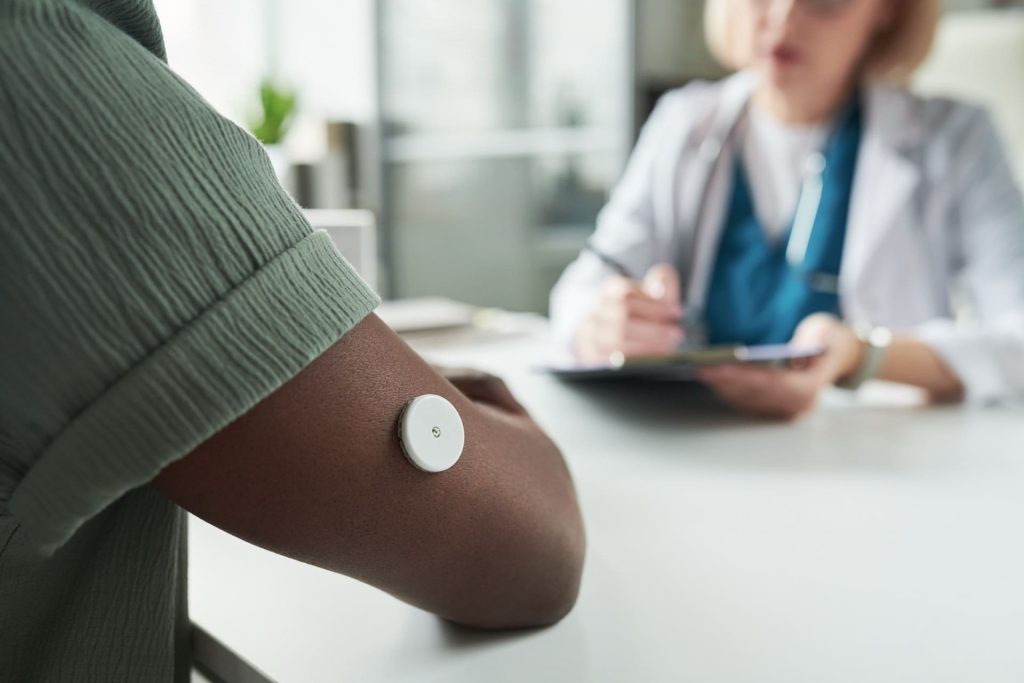
- Diabetes technology (CGM, insulin pumps)
- Lifestyle management (nutrition, physical activity)
- Diabetes and obesity management
- Cardiometabolic risk management
- Complications of diabetes (microvascular and macrovascular)
- Behavioral health considerations in diabetes care
- Addressing social determinants of health
- Screening for and preventing type 1 diabetes
- Motivational interviewing and patient education
- Case-based presentations

Resident Completion Requirements
To successfully complete the Diabetes Subtrack, residents must:
- Complete a minimum of 500 hours of clinical diabetes care
- Complete or attend ≥ 80% of diabetes-focused didactic sessions
- Deliverat least one formal diabetes case-based presentation per Subtrack year (minimum of 2 at program completion)
- Complete at least one scholarly project related to diabetes or metabolic disease care
- Meet all Diabetes Subtrack competencies at a level of “meets expectations” or higher as designated by the program
Program Completion
Residents who fulfill all core requirements — as well as any additional site-specific program requirements — will receive formal recognition for completing the Diabetes Subtrack. Programs are encouraged to support interested graduates in pursuing the Board Certification in Advanced Diabetes Management (BC-ADM) or other advanced credentials in diabetes care.


Resident Progress Tracking and Evaluation
The following evaluation framework is recommended and should be tailored to fit each program’s structure and available resources:
- Quarterly Subtrack Evaluation— Every 3 months; conducted by the Subtrack Faculty Lead/Director incorporating feedback from relevant clinical experience preceptors
- Biannual Competencies Assessment— Every 6 months; conducted by the Subtrack Faculty Lead/Director, focusing on assessment of core competencies in diabetes practice
- Subtrack Completion Assessment Meeting— Conducted jointly by the Subtrack Faculty Lead/Director and the Residency Program Director
- Exit Interview — Performed by a GMEC representative whenever possible
Starting a Diabetes Specialty Subtrack
Ready to start a diabetes specialty subtrack at your residency program? Contact us for more information about pricing and how Diabetes Care Academy can help support you.
Residency Program Benefits
Preparing Residents for Advanced Diabetes Care
Our integrated curriculum prepares residents for advanced diabetes care and eligibility for Board Certification in Advanced Diabetes Management (BC-ADM) — with no guesswork, all in one place. By embedding this training directly into your Family Medicine, Internal Medicine, or Pharmacy residencies, residents gain expertise in comprehensive diabetes management without waiting for a post-residency fellowship. This accelerates the development of a skilled primary care workforce and helps close critical gaps in access to diabetes and metabolic care across communities.
A Flexible, Modern Learning Experience
Designed to fit seamlessly into busy residency schedules, our hybrid curriculum blends self-paced modules with live, expert-led case discussions using the evidence-based Project ECHO tele-mentoring approach. Short, segmented lessons support resident engagement and long-term retention — meeting learners where they are. Residents & residency program faculty leaders can choose which topics to prioritize and when, making this a truly flexible pathway that adapts to each program’s needs.
Expert Access, Wherever You Are
Our model connects residents and faculty to a pool of leading diabetes care experts through live sessions with real-time Q&A and interaction — bringing world-class training directly to your residency program. Residents build expertise in:
- Diabetes technology
- Continuous glucose monitor (CGM) interpretation
- Insulin and non-insulin medication management
- Diabetes & related metabolic comorbidities
- Lifestyle and behavioral health counseling
- Glycemic emergencies (DKA, HHS, severe hypoglycemia)
- Screening and preventative health
- Individualized management of special populations (pregnancy, older adults, pediatrics, individuals with disabilities, & more)
- Atypical forms of diabetes
- Inpatient diabetes management
- Population health and quality improvement strategies
Supporting Residency Faculty and Program Leaders
We don’t just support residents — we support the programs that train them. Through our learning management system (LMS), onsite faculty leaders receive supplemental discussion materials, clinical reference guides, and tools to track resident progress, making it straightforward to deliver advanced diabetes training even without dedicated in-house specialists.
A Competitive Advantage in the Match
Integrating a diabetes subtrack enhances program competitiveness — particularly for programs in rural and underserved areas — by attracting high-quality, mission-driven applicants. In 2025, 51% of MercyOne Genesis Quad Cities Family Medicine Residency applicants expressed interest in the diabetes subtrack, demonstrating strong candidate demand for this specialized training opportunity.
Building the Workforce Communities Need
Because graduates often remain in the communities where they train, this model creates a sustainable pipeline of primary care physicians and pharmacists with advanced diabetes expertise — strengthening local workforces and improving care access where it’s needed most. Our approach trains clinicians in comprehensive diabetes management faster than traditional medical education pathways, meeting the rising demand for diabetes and metabolic care at the primary care level.
Starting a Diabetes Specialty Subtrack
Ready to start a diabetes specialty subtrack at your residency program? Contact us for more information about pricing and how Diabetes Care Academy can help support you.